
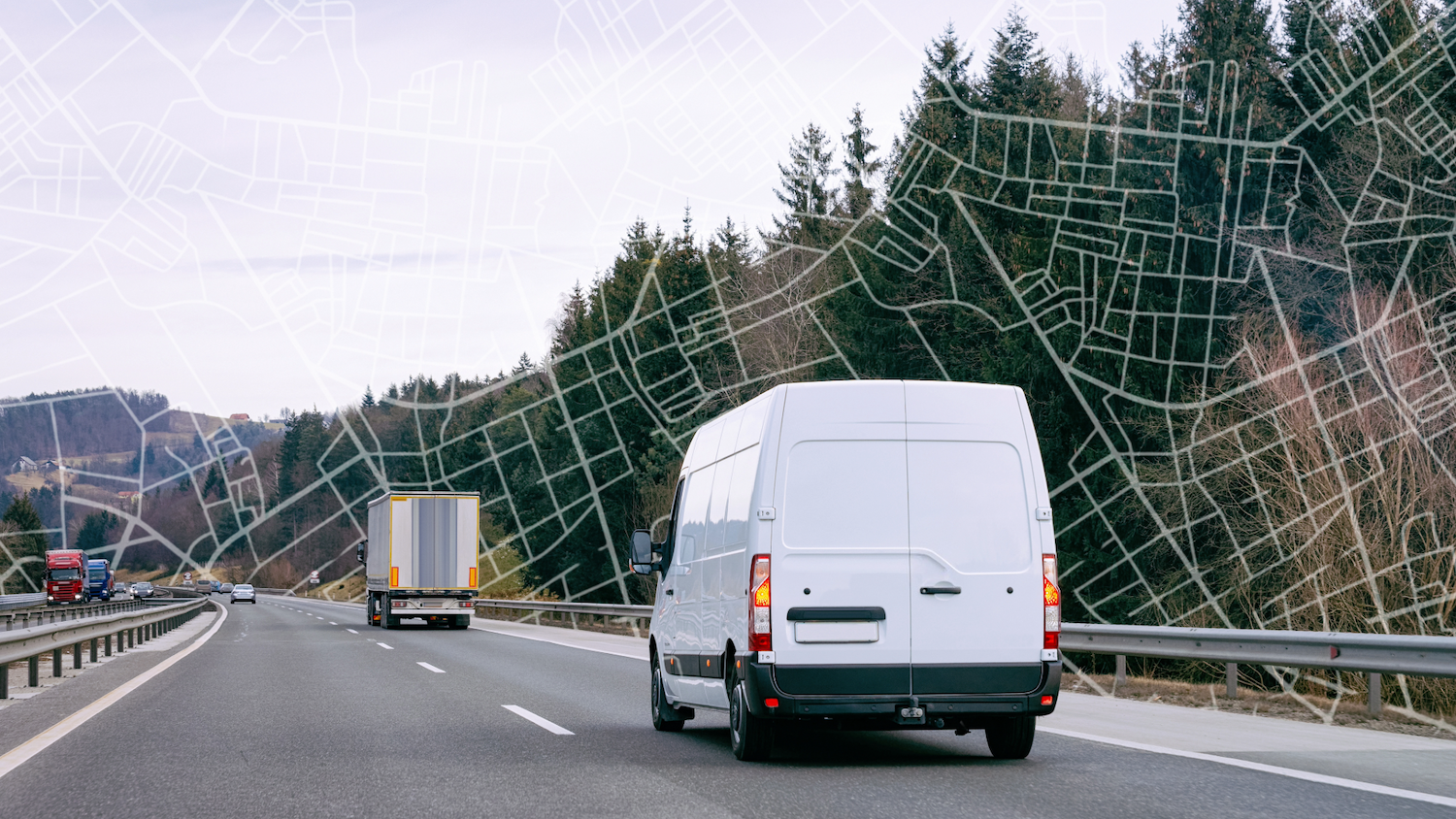
In 2026, staying competitive means moving beyond a simple GPS tracker. It requires complete visibility into driver safety and vehicle health. AI-powered video telematics functions as the modern fleet’s “black box”, a powerful combination of high-definition video (the eyes on the road) and vehicle data (the brains of the vehicle).
In today’s market, video telematics is not just a safety tool, it is also a strategic financial investment designed to protect fuel, insurance, and maintenance levels against rising costs.
The Fuel and Maintenance “Payback”
Fuel remains one of the largest fleet expenses, accounting for approximately 30% of total operating costs. Video Telematics can often pay for itself through a simple change: the One Hour Rule.
- Stop Excessive Idling: Commercial trucks idle for an average of 1,800 hours annually. Video telematics solutions proactively detect excessive idling events, giving fleet managers visibility into when and where idling occurs. Reducing idling by just one hour per day can generate immediate savings that offset monthly telematics fees.
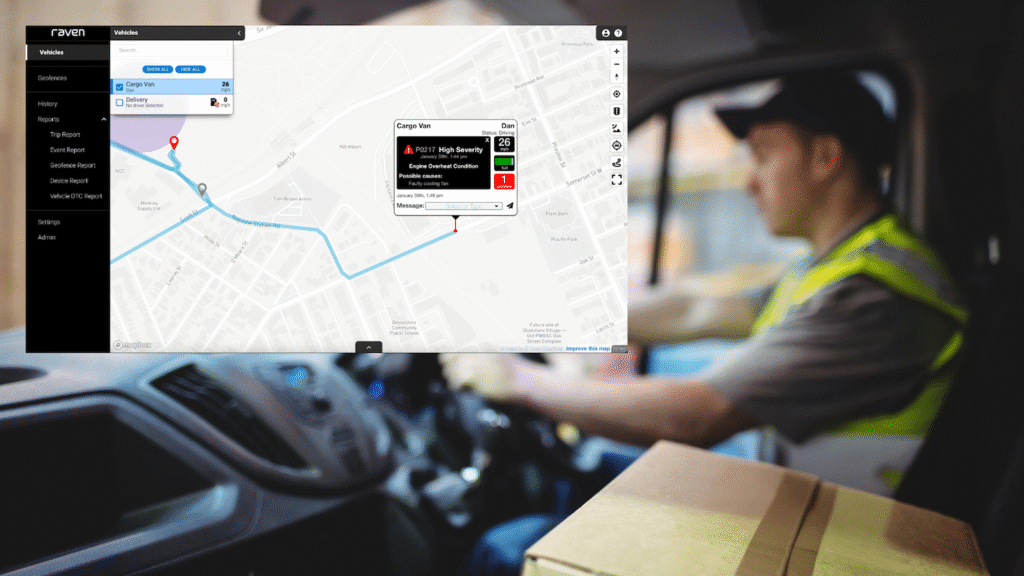
- Prevent Engine Wear: Video telematics continuously monitors vehicle behavior and engine-related data to track maintenance needs and early signs of strain. AI-driven insights highlight patterns such as excessive idling and aggressive driving habits that accelerate engine wear. By addressing these behaviors early, fleets can save at least $2,000 per year in maintenance costs.
- Achieve Smooth Driving: Video telematics combines driving data with in-cab and road-facing video to identify aggressive behaviors such as speeding, rapid acceleration, and abrupt braking – actions that can reduce fuel economy by 10% to 40%. By adding video context to driver coaching, managers can help drivers adopt smoother habits, improving overall fuel efficiency and overall profitability.
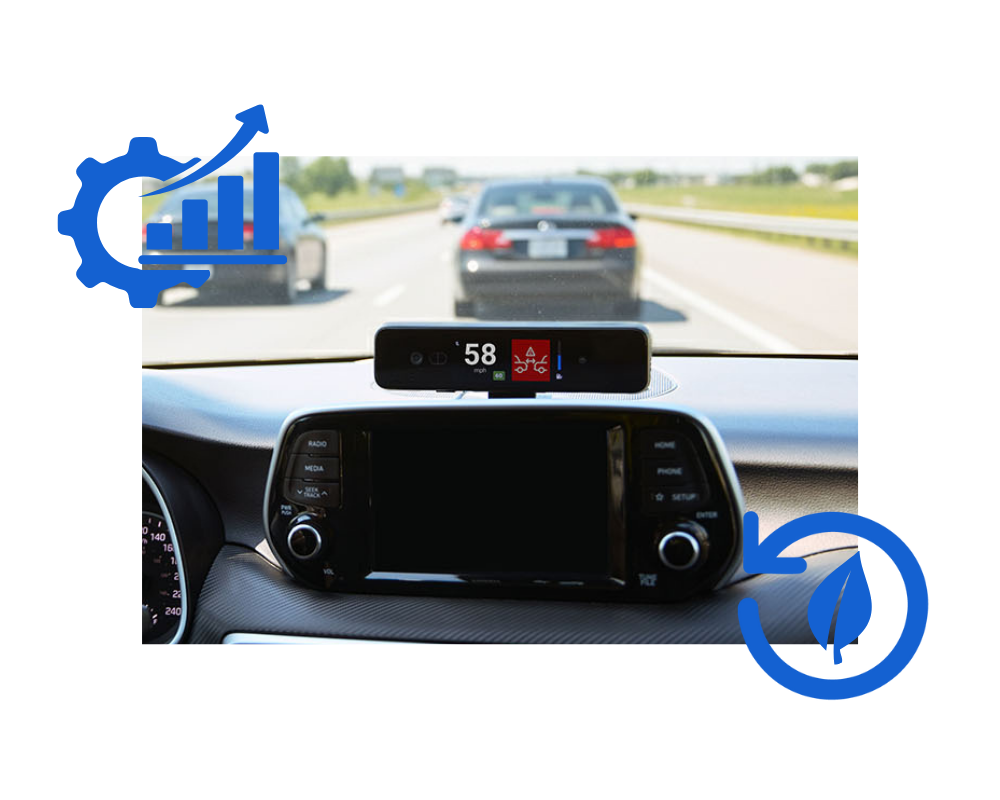
Video Telematics and Insurance Support
The legal and insurance landscape for fleets is becoming more challenging and costly. In 2023, speeding was a contributing factor in 29% of all traffic fatalities, while distracted driving caused the deaths of 3,275 people during the same period. One major incident, or a “nuclear verdict,” averaging $22.3 million USD can be financially devastating for small fleets. Video telematics acts as a real-time insurance safeguard by reducing risk and protecting fleets:
- Incident Reduction: Integrating video with telematics delivers measurable safety improvements, with fleets experiencing up to a 60% reduction in collisions after installation. The presence of cameras increases driver awareness and accountability, creating a “dash cam effect” that encourages safer driving behaviors and fewer incidents.
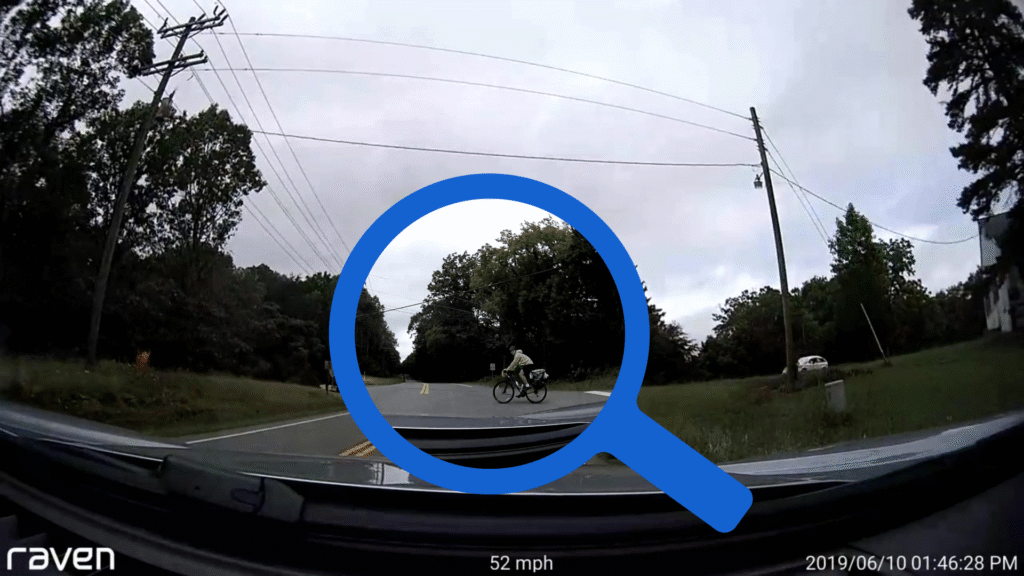
- The Exoneration Factor: When collisions or disputes arise, firsthand video evidence provides critical context. In nearly 50% of legal cases, video footage helps clear drivers of blame, protecting fleets from fraudulent claims and helping avoid the 20% to 50% insurance premium increase that typically follows an at-fault collision.
- Downtime Protection: Video telematics supports safety and compliance by monitoring driving behavior and vehicle activity, helping fleets adhere to government regulations and internal policies. By reducing violations, inspections, and accidents, fleets can avoid the average $448 to $760 per day cost of vehicle downtime, keeping vehicles on the road and operations running efficiently.
Efficiency: Doing More with Less
Beyond safety, telematics data helps fleets transition to a more cost-effective operating model by enabling proactive maintenance and preventing up to a 20% reduction in engine life. These insights also deliver key operational advantages that keep vehicles moving and costs under control:
- Asset Longevity and Security: Proactive maintenance supported by telematics reduces unnecessary repairs and extends the vehicle’s lifespan. In the event of theft, video telematics and GPS data are crucial for rapid vehicle recovery, minimizing asset loss and operational disruptions.
- Labour Management: Telematics accurately tracks driving time and vehicle usage, helping fleets remain compliant with labor laws while reducing the risk of driver fatigue. Greater visibility into driver hours enables fleets to manage overtime more effectively and support safer, more efficient scheduling.
- Route Accuracy: Real-time GPS tracking allows fleet managers to verify routes, reduce unnecessary mileage, and minimize idle time. Industry data shows that heavy trucks consume approximately 0.8 gallons per hour, meaning every hour of unnecessary idling represents avoidable fuel waste. By combining GPS route data with engine status, video telematics help fleets identify delays, save fuel, and optimize driving routes.
Is Your Fleet Data-Driven or Just Driving?
Raven video telematics deliver accurate, data-backed ETAs that enhance customer satisfaction and drive repeat business. These insights generate immediate ROI, often within the first month through fuel savings alone.
In 2026, leverage telematics ROI metrics to take control of fleet costs, performance, and profitability.


Comments are closed