

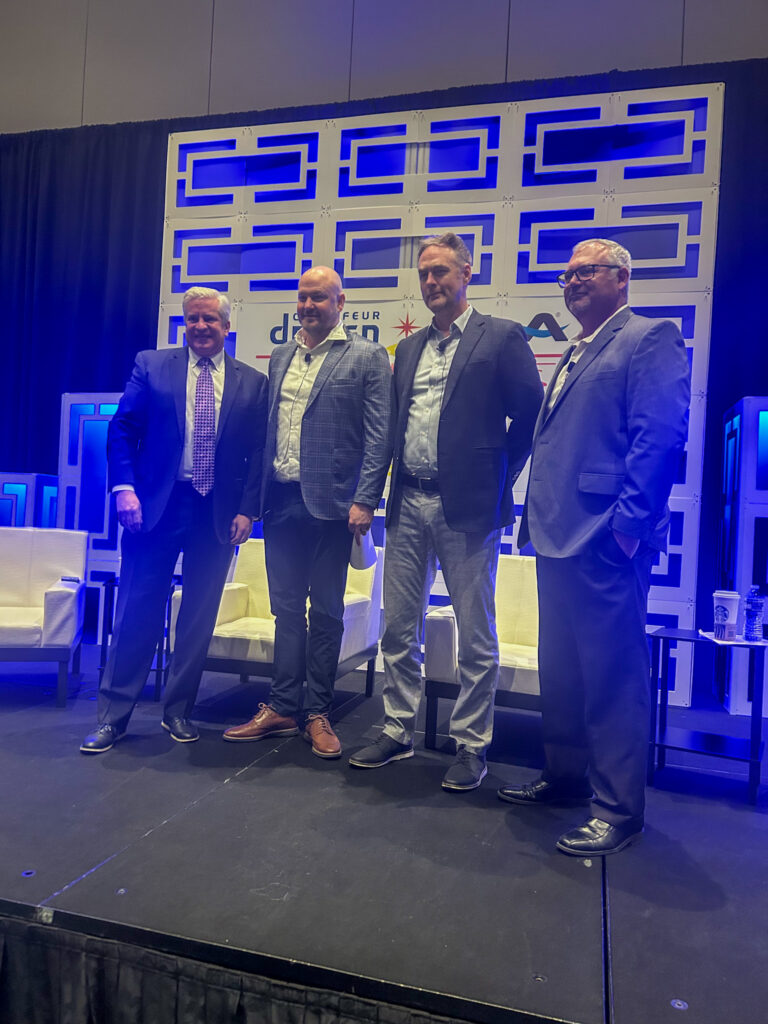
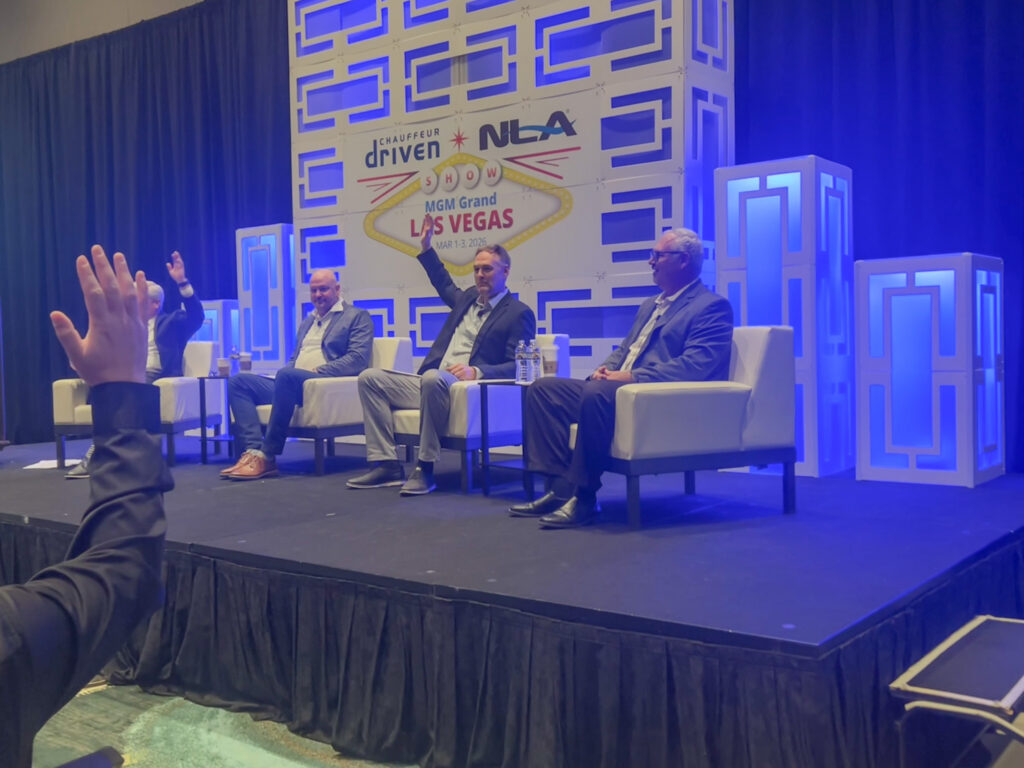
This week, Travis Gray from Raven Connected joined a powerhouse panel to discuss the tightening grip of risk and reputation in the executive transportation space. Alongside Timm Flanagan of Lancer Insurance Company and operators Steve Sisson of Avalon Transportation and Scott Woodruff of Majestic Limo & Coach, the conversation was clear: In 2026, if you aren’t running a video-based telematics solution, you aren’t just at risk, you’re likely uninsurable.
If you missed the session, here are the three critical shifts every operator needs to understand to protect their business:
1. Insurance for Your Insurance
As the cost of claims explodes, insurance premiums are rising at a baseline rate of roughly 15% annually. In this climate, a video platform isn’t just a tech add-on; it’s a strategic shield for your bottom line. Lancer Insurance emphasized a looming shift: while many carriers currently “recommend” video telematics, we are moving toward a reality where it will be a strict requirement for coverage.
To keep costs under control, you need the data transparency that only video telematics provides. This allows you to reinforce your policy and prove your commitment to safety during negotiations. Travis highlighted this as the ultimate “insurance for your insurance.”
2. Culture Over Control: Training, Incentives, and Tailored Coaching
Leading operators like Steve and Scott are flipping the script on telematics. Instead of using it as a “gotcha” tool to catch mistakes, they are using video to build a world-class safety culture:
- Recognition as a Retention Tool: By “calling drivers in” to highlight positive behaviors and “great saves,” you build driver buy-in and loyalty.
- Incentive Programs: Leverage safety scores to implement routine rewards—whether that’s monetary bonuses, public recognition, or a performance-based ranking system.
- Tailored Training: Every driver is different. A driver with a “heavy foot” requires different coaching than one who struggles with distracted driving. Using a system that automates these insights allows you to provide surgical, personalized coaching that resonates.
- Real-World Content: There is no better training resource than your own footage. Use clips of actual incidents (positive or negative) to reinforce safe behaviors during routine safety meetings.
3. Eliminating the Ambiguity (And Avoiding the Data Trap)
The risk of aggressive litigation is simply too high to leave to chance. Video evidence serves as a “source of truth”, removing ambiguity and expediting denial or settlement.. With a minimum cost of $150k–$200k just to defend a claim in front of a jury, video is the ultimate tool for protecting your business reputation and your insurance policy.
However, the panel offered a vital warning: The system must fit the operator. In court, a plaintiff’s attorney will try to prove you aren’t actually committed to safety. If you choose the most complex, data-heavy system on the market but fail to act on the alerts it generates, that data will be used against you. Your Person Most Knowledgeable (PMK) must know the system top-to-bottom and be able to prove that the data was used effectively. As Timm Flanagan put it: “I would not operate a commercial vehicle without a camera in it,”, but you must ensure you have a manageable system you can actually stand behind.
The Bottom Line
Safety isn’t a department; it’s a culture that flows down from the top. Video telematics is no longer a nice to have, it is a critical tool in your operations.


Comments are closed