
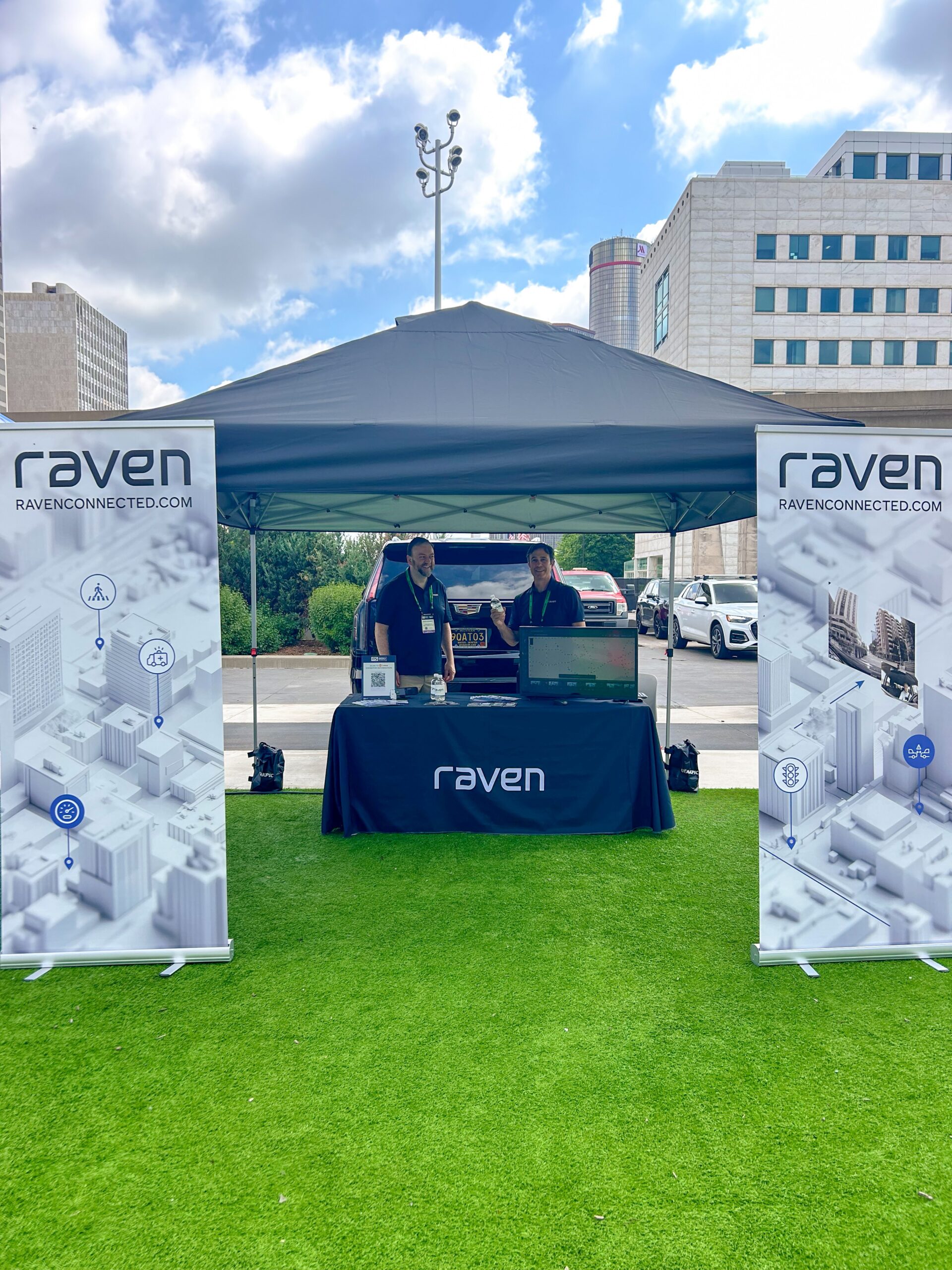
Across North America, agencies have invested heavily in connected transportation infrastructure. From connected intersections and work zone alerts to emergency vehicle preemption and real-time roadway messaging, the foundation for safer, smarter roadways is being built today.
These investments are critical to advancing Vision Zero and improving safety for everyone who uses our roads.
But there is still a gap.
The challenge isn’t building connected infrastructure. It’s getting the benefits of that infrastructure into the vehicles that are actually using the road.
Most vehicles on the road today were never designed to consume connected vehicle data. The average vehicle is approaching 13 years old, and fleet replacement cycles can extend even longer. If the promise of V2X depends entirely on widespread adoption of new vehicle technology, many communities will be waiting years, if not decades, to realize the full value of the infrastructure they have already deployed.
That’s the gap Raven Connected set out to address.
Putting the “V” in V2X
For connected roadways to deliver meaningful safety benefits today, infrastructure data must be translated into actionable information for drivers.
Whether it’s Signal Phase and Timing (SPaT), MAP data, Traveler Information Messages (TIMs), emergency vehicle alerts, or other roadway intelligence, the value isn’t in the data itself. The value comes when that information reaches the driver at the right time, in a way that is clear, reliable, and easy to understand.
At Raven, we build an in-vehicle solution that makes that possible.
Our platform is designed to ingest information from diverse infrastructure and data sources, transforming complex roadway information into real-time driver awareness. By focusing on interoperability and plug-and-play deployment, we help agencies and fleets enable vehicles that are already on the road rather than waiting for future vehicle replacement cycles.
Demonstrating the Missing Link at ITS America
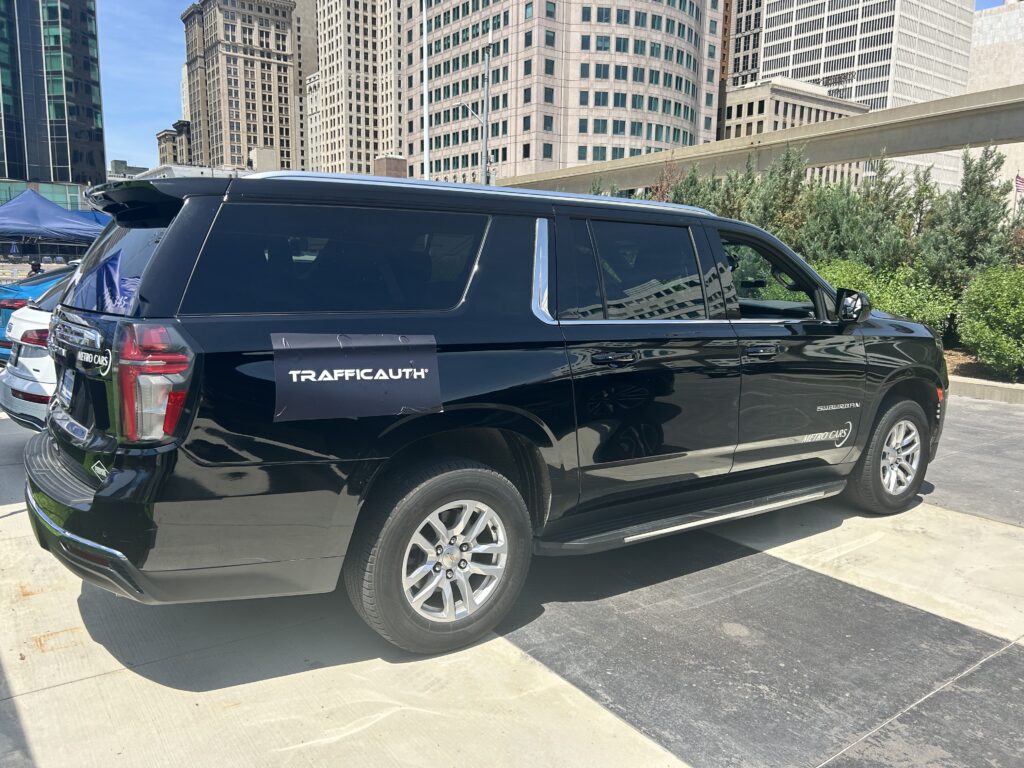
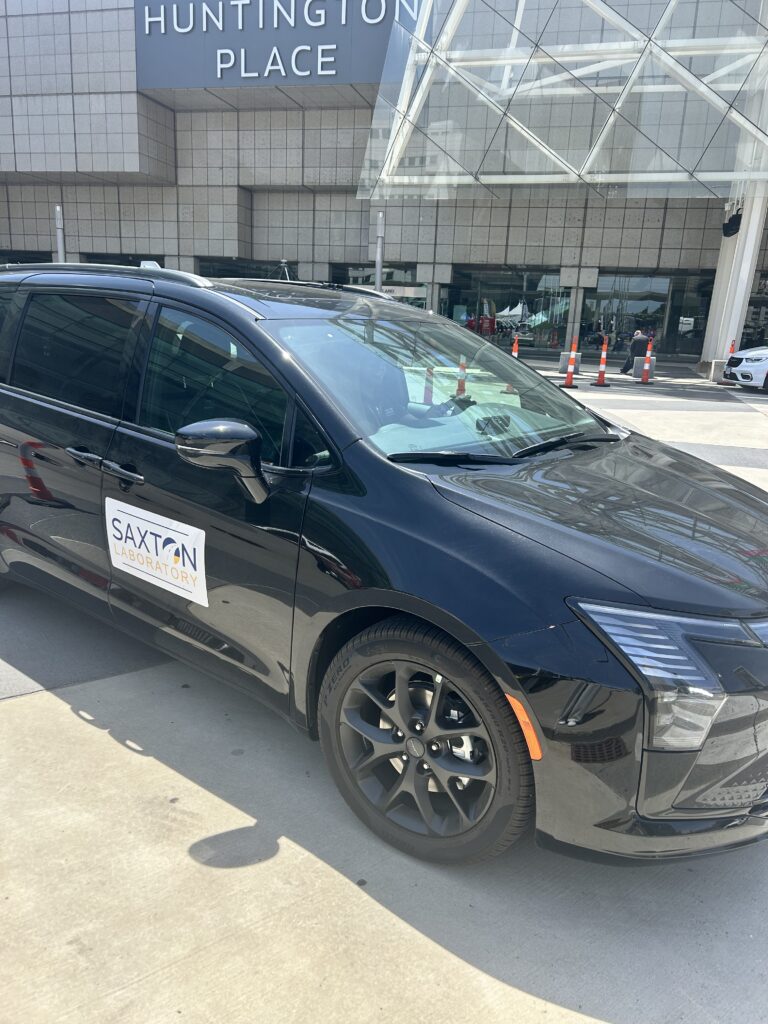
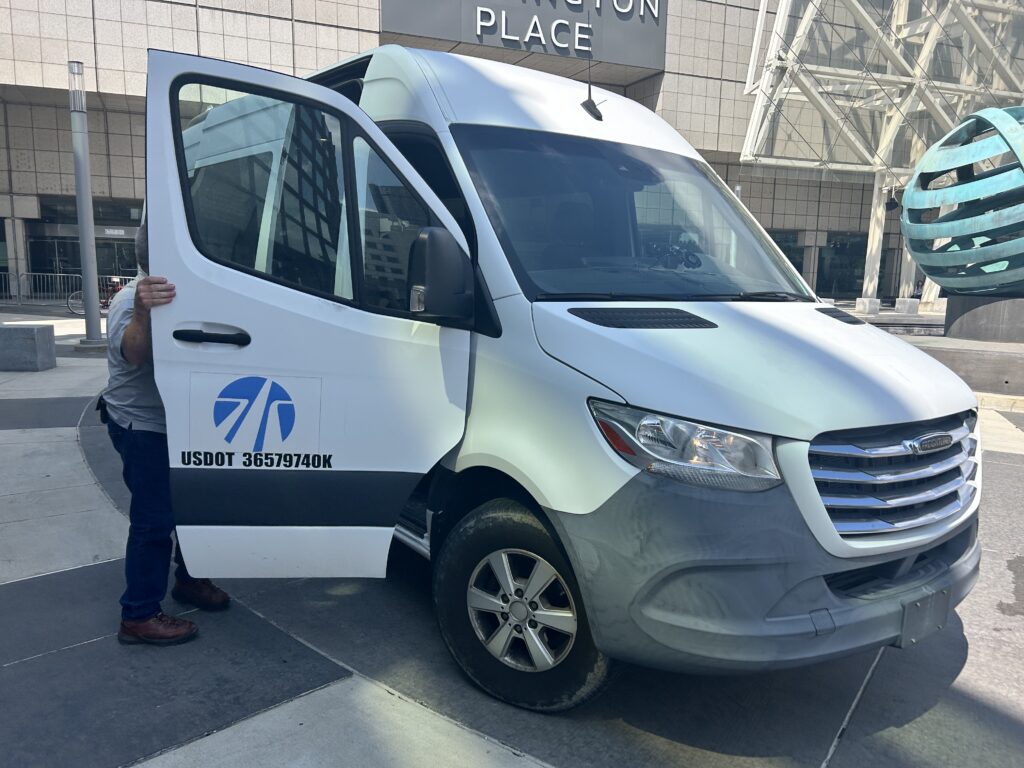
This challenge was the driving force behind our presence at ITS America.
Rather than talking about the future of connected transportation, we wanted to demonstrate the opportunity to capitalize on these benefits today.
Throughout the event, attendees experienced live demonstrations of Raven hardware operating as the in-vehicle component of the connected transportation ecosystem.
During our ride-along demonstrations, participants saw SPaT, MAP, and TIM data delivered directly to the vehicle in real-time, providing situational awareness that helps drivers make more informed decisions on the road.
The same approach was demonstrated in Michigan DOT shuttles and demonstration vehicles, where Raven provided a simple path to vehicle connectivity through a plug-and-play deployment model.
We also supported demonstrations alongside integration partners OmniTrust and AeroVironment, serving as the in-vehicle endpoint that received information from their platforms and communicated relevant alerts and messaging to the driver.
Across every demonstration, the goal was the same: show how connected infrastructure can create value today without requiring specialized vehicle integrations or waiting for the next generation of vehicles to arrive.
Moving the Mission Forward
One thing is clear: the industry is not lacking innovation. Agencies, infrastructure providers, and technology companies are building impressive connected transportation solutions.
Connected infrastructure and connected vehicles are often discussed as separate challenges, but they are ultimately part of the same mission. Infrastructure can only improve safety when the information it generates reaches the people who need it.
The path to Vision Zero isn’t built on waiting for perfect conditions or universal adoption. It’s built on making steady progress wherever we can. Connecting the vehicles already on our roads to the infrastructure around them is one way to start realizing those benefits today.


Comments are closed